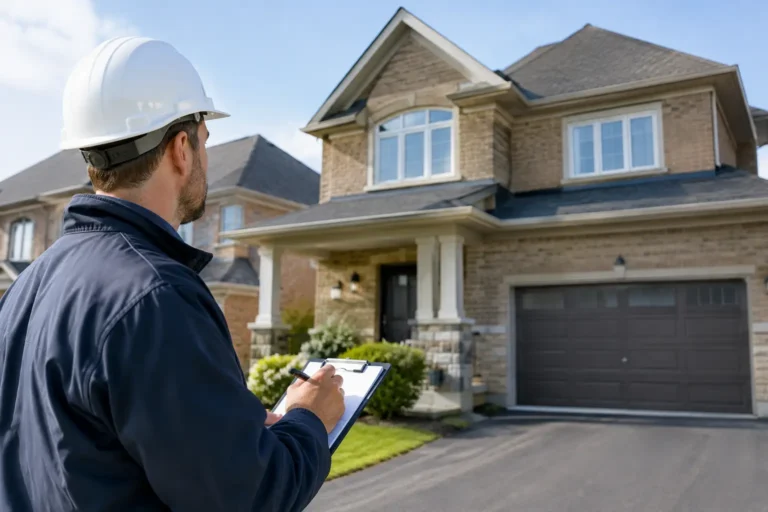

Top Signs of Overpricing Your GTA Property
Key takeaways
Short answer: Common signs a home is overpriced: few showings in the first two weeks, viewings without offers, similar homes selling while yours sits, weak online interest and a listing that has gone stale.
- The first two weeks on the market matter most.
- If comparable homes sell while yours doesn’t, price is the likely reason.
- Sellers often overprice for understandable reasons, such as attachment to the home or testing the market.
- Reassess the price using current comparable sales and buyer feedback, not guesswork.
A listing can look impressive online and still be working against the seller. In the GTA, buyers often make an early judgment based on price, comparable homes, and perceived value within minutes of seeing a property. Knowing the top signs of overpricing gives sellers a chance to adjust before a promising launch becomes a listing that buyers scroll past.
Pricing is not about naming the highest number you hope to receive. It is about positioning the property where qualified buyers see value, book a showing, and feel motivated to act. That requires current local data, a realistic view of the home’s condition, and attention to buyer behavior after the listing goes live.
Top Signs of Overpricing a Home
Showings are limited in the first two weeks
The first days on market matter because a new listing receives the most attention from active buyers, agents, and people who have been waiting for a suitable home. If marketing is reaching the right audience but showing requests are unusually low, the price may be discouraging buyers before they see the property in person.
This does not automatically mean the home is overpriced. Listing photos, timing, location-specific demand, or an inconvenient showing schedule can affect activity. But when comparable properties are receiving steady interest and yours is not, pricing deserves an immediate review.
In Brampton, Mississauga, Caledon, and surrounding GTA communities, buyer response can differ block by block. A detached home near strong schools may attract a different audience than a similar home near a major commuter route. Local context matters, but the pattern remains consistent: well-positioned listings generate early attention.
Buyers view the home but do not submit offers
A healthy number of showings with no offer can be more revealing than no showings at all. Buyers may appreciate the layout, location, or upgrades, yet decide the total value does not support the asking price. Their agents are likely comparing the property with recent sales and active alternatives, not simply with what the seller paid or what a neighboring home was listed for months ago.
Feedback such as “nice home, but priced high” should be taken seriously when it comes from several unrelated buyers. One opinion may be personal preference. Repeated feedback is market intelligence.
The goal is not to react emotionally to every comment. It is to identify whether buyers are consistently pointing to a gap between the asking price and the value they see. If they are, the listing strategy may need to change while the property is still relatively fresh.
Similar homes sell while yours remains active
When comparable homes in the same neighborhood are selling and your listing is not, buyers are making a choice. They may see the other homes as better value because of price, condition, lot size, renovation quality, or possession timing. Even a small pricing gap can make a meaningful difference when buyers are evaluating several options in a tight range.
This is why active listings alone cannot determine the right price. An active listing represents a seller’s expectation. A recent sale shows what a buyer was prepared to pay under real market conditions. Both are useful, but sold data usually carries more weight.
A careful comparison should account for meaningful differences. A larger corner lot, separate entrance, finished basement, newer roof, or a superior school boundary can affect value. At the same time, sellers should be cautious about assigning full dollar-for-dollar value to every improvement. Buyers often value upgrades differently than homeowners do.
Online interest is weak for the price range
Most buyers begin their search online, where your property appears beside many alternatives. If listing views, saved searches, inquiries, and showing requests are underperforming compared with similar homes, price may be the reason buyers are not engaging.
Search thresholds also matter. A home listed just above a common budget cutoff can disappear from a substantial group of buyers. For example, a buyer searching up to a certain price will not see a property listed even slightly above that range. A strategic price point can expand exposure without sacrificing the broader pricing plan.
Digital performance should be interpreted alongside the quality of the marketing. Clear photography, accurate details, floor plans where appropriate, and thoughtful property presentation support visibility. Strong marketing cannot overcome a price that the market sees as unrealistic, but weak marketing can hide a well-priced home. The right diagnosis considers both.
The listing has become stale
Days on market are not a verdict on their own. Certain property types, price brackets, and local market conditions naturally require more time. A rural property in Caledon, a commercial site, or a highly specialized luxury home may have a smaller buyer pool than a typical suburban family home.
Still, a listing that lingers without meaningful activity can develop a stigma. Buyers begin to ask why it has not sold. Some assume there must be a hidden issue, while others wait for a reduction before taking the property seriously. The longer this continues, the more negotiating leverage can shift away from the seller.
A well-timed adjustment is often stronger than a series of small reductions. Repeated minor changes can signal uncertainty without creating a new reason for buyers to act. If the evidence supports a repositioning, a clear strategy can restore attention and bring the listing back into buyers’ searches.
Why Sellers Overprice in the First Place
Overpricing is rarely caused by carelessness. It often comes from understandable personal expectations. A home may hold years of family memories, major renovation spending, or a strong connection to the neighborhood. Those factors matter personally, but the market evaluates a property through current alternatives and recent results.
Sometimes sellers anchor to a record sale in the area without recognizing why that home achieved its price. It may have had a larger lot, a fully renovated interior, a rare layout, or sold during a more competitive period. In other cases, a seller wants room to negotiate and lists high expecting buyers to make an offer below asking.
That approach can work in limited situations, but it carries risk. Buyers who see the home as clearly outside their range may never schedule a showing, which means there is no negotiation at all. A realistic list price can create interest, preserve momentum, and put the seller in a stronger position when offers arrive.
How to Reassess the Price Without Guesswork
A pricing review should begin with the most current comparable sales, not with optimism or frustration. Look at similar homes that sold recently, properties that are currently competing for the same buyer, and listings that expired or were withdrawn. Expired listings are especially useful because they can reveal what buyers rejected.
Then examine the response your listing has received. Are people viewing it online? Are agents booking showings? What feedback is repeating? Has a new competing property entered the market at a more compelling price? A good review combines the numbers with what buyers are actually doing.
It also helps to separate price concerns from property concerns. If buyers consistently mention dated finishes, a challenging layout, or a location issue, price may need to account for that reality. The aim is not to pretend those factors do not exist. It is to position the home fairly against alternatives so buyers can see the opportunity.
For sellers, the best next step is usually a focused conversation with a local broker who can explain the data, the competition, and the trade-offs clearly. The right strategy may be to hold steady, improve the presentation, adjust the price, or refine the launch plan. It depends on the property and the specific market around it.
A home deserves more than a hopeful number and a wait-and-see approach. When the market gives clear signals, responding with calm, data-driven guidance can protect your momentum and help you plan your move with confidence.