Homes Near Cassie Campbell Community Centre Brampton
For families comparing homes near Cassie Campbell Community Centre Brampton, the question is rarely just how close the front door is to the building. It is whether that location makes everyday life easier: getting children to programs, fitting a workout into a busy week, meeting friends at the park, or getting home after an evening on the ice. In Northwest Brampton, those practical details can carry as much weight as bedroom count or lot size.
Cassie Campbell Community Centre is a familiar anchor for many households in and around Fletcher’s Meadow. Buyers are often drawn to the convenience of living nearby, but the strongest decision comes from looking beyond a map pin. The right home should work for your routines now, your likely needs in a few years, and the resale expectations that come with a desirable amenity-focused location.
Why homes near Cassie Campbell Community Centre appeal to buyers
A well-used community center gives a neighborhood a rhythm. Families may use it for registered programs, recreation, fitness, skating, swimming, camps, and seasonal activities. Even residents who do not use every facility often value having an established place nearby where children, teens, adults, and seniors can stay active close to home.
That proximity can reduce the friction of a full calendar. A short drive or walk to a program may not sound like a major real estate feature, but it matters when work, school, appointments, and extracurricular activities all compete for time. For buyers relocating within Brampton, this is often the difference between a house that looks suitable online and one that feels practical after move-in.
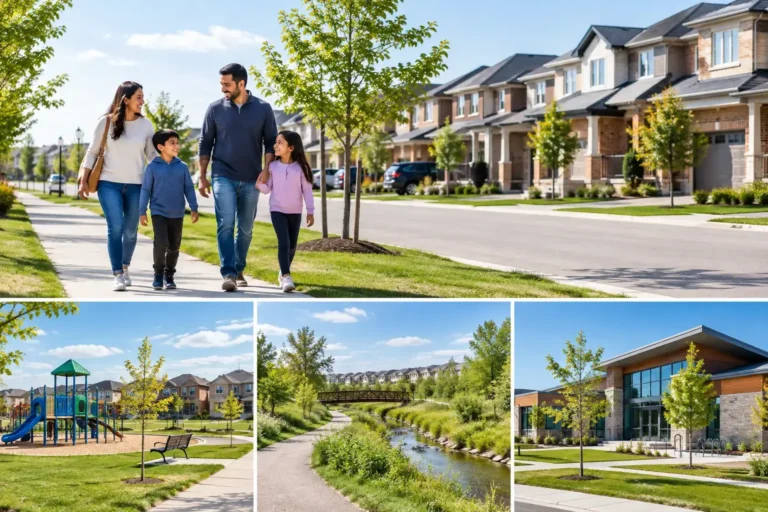
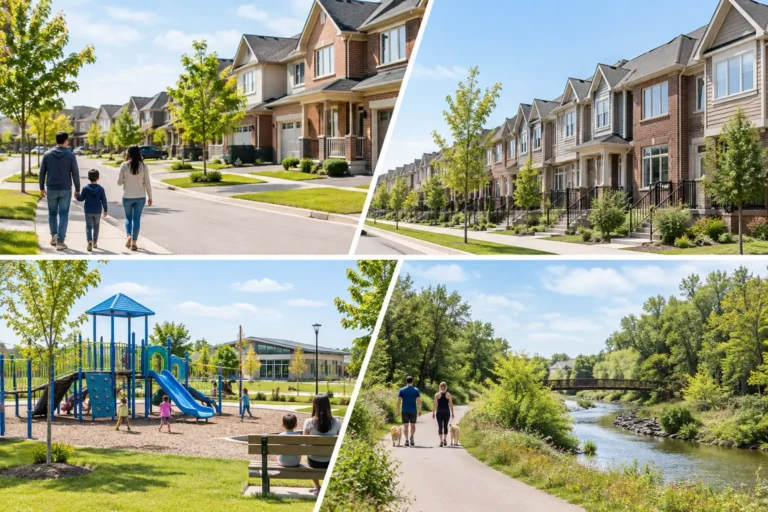
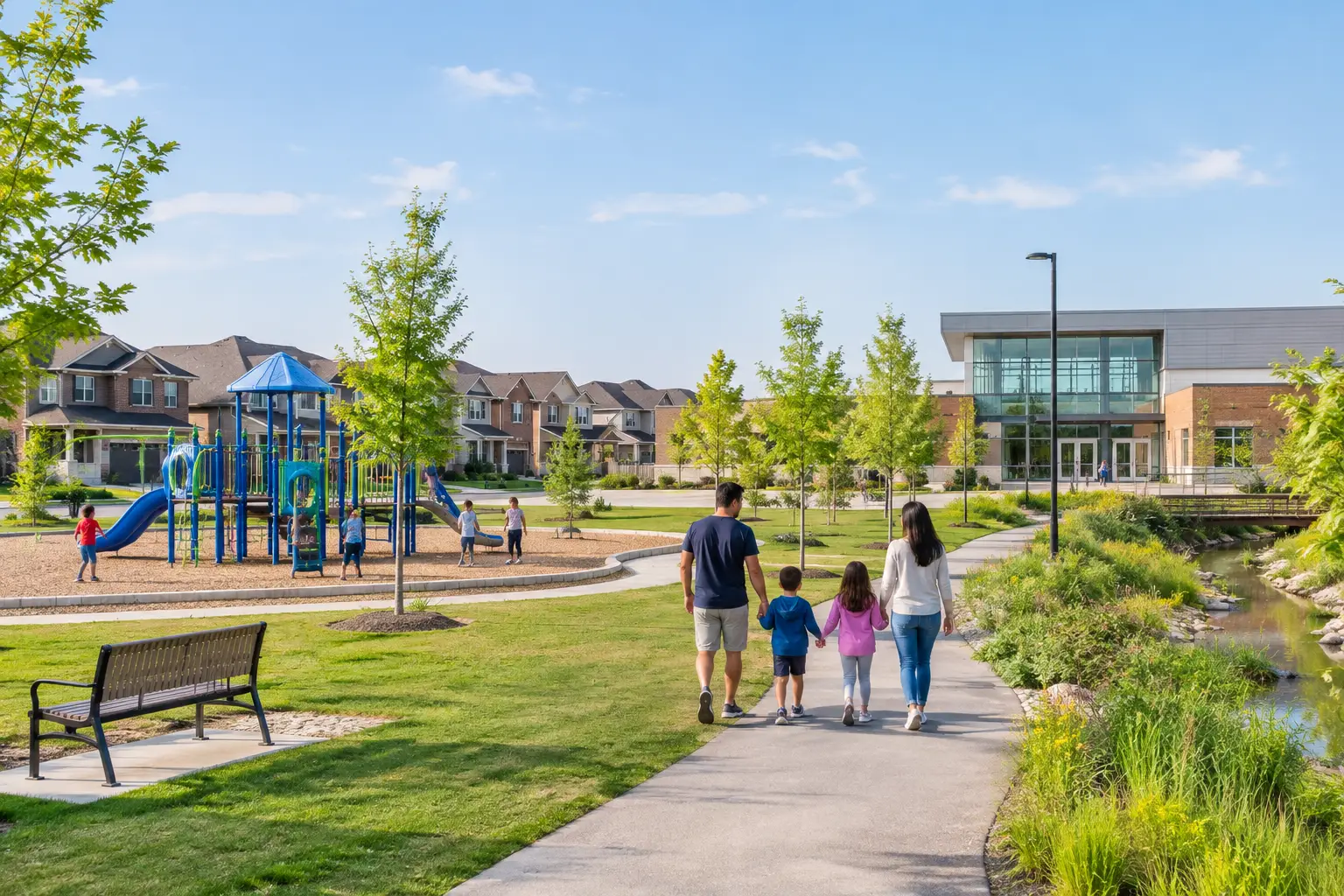
The surrounding area also offers the qualities many Northwest Brampton buyers prioritize: residential streets, nearby green space, access to daily shopping and services, and connections toward major routes. Depending on the exact address, Mount Pleasant GO, Highway 410, and local transit access may be part of the commuting conversation. No single home provides every convenience equally, which is why street-level comparison matters.
Start with your routine, not the distance
Being close to the community center can mean different things. One buyer may want to walk there with young children. Another may be content with a five-minute drive but care more about a quieter street, a larger yard, or easier access to a preferred commute route.
Before viewing homes, define what “near” means for your household. Consider how often you realistically expect to use the center, what time of day you will travel there, and whether you will be walking, driving, or relying on transit. A home directly beside a busy route may offer immediate access but more activity and traffic at peak program times. A home a little farther away may feel more residential while still being convenient.
Also assess the entire weekly pattern. If one parent commutes, test the route at the times that matter. If children will attend local schools or activities, consider morning and afternoon travel rather than a quiet weekend drive-by. The best location is not always the closest one. It is the one that reduces stress across the routines you actually keep.
What types of homes can you expect nearby?
The broader Fletcher’s Meadow and Northwest Brampton area offers a mix of detached homes, semidetached homes, townhomes, and condominium-style options. The available choices vary block by block, as do lot dimensions, layouts, parking, basement configurations, and the age of the home.
For first-time buyers, a townhome or semidetached property can be a practical entry point when space for a growing family matters but the budget has limits. Move-up buyers may focus on detached homes with additional bedrooms, a family room, or more usable outdoor space. Downsizers may favor a lower-maintenance layout and proximity to recreation, shopping, and services over a larger property.
Investors should be equally specific. A location near a community facility may support rental appeal, particularly for tenants who value access to programs and transit connections. Still, an investment decision should not be based on proximity alone. Purchase price, carrying costs, condition, legal use of any secondary space, tenant demand, and comparable rental evidence all need a clear review.
Look past the listing photos
Two homes with similar square footage can live very differently. Pay attention to the number of usable bedrooms, storage, natural light, parking, laundry placement, and how the main floor handles family life. If a basement is finished, ask what was done, whether permits may have been required, and whether the space suits your intended use.
Outside, notice grading, yard orientation, neighboring sightlines, and the distance to busier roads or parking areas. These details influence enjoyment and future buyer perception. They are easy to miss when a home is staged well or when a showing schedule is rushed.
The trade-offs of an amenity-focused location
There is real value in living near a community hub, but buyers should expect trade-offs. More activity can bring more vehicles, pedestrians, and event-related noise at certain times. Homes on through streets may experience different traffic patterns than homes on smaller interior streets. Winter parking, school drop-off activity, and weekend programming can all shape how a location feels.
This does not make one setting better than another. It depends on your household. Some buyers appreciate the energy and visibility of an active area. Others prefer a calmer street and are happy to drive a few extra minutes. A careful showing should include time outside the property, not just inside it.
For sellers, these same factors should be addressed with clarity. Proximity to Cassie Campbell Community Centre can be a meaningful feature when presented honestly and specifically. The goal is not to make a broad claim about convenience. It is to show buyers how the home fits a lifestyle while being transparent about the location and street context.
Schools, parks, and daily convenience
Families often begin with the community center, then widen the search to nearby parks, schools, grocery options, medical services, and commuting routes. This is a sensible approach because a home purchase is a long-term lifestyle decision, not a single-amenity decision.
School preferences should be researched directly with the relevant school boards, particularly because boundaries, program availability, and enrollment processes can change. Rather than relying on assumptions, confirm the information that affects your family before removing conditions or making final plans.
The same principle applies to parks and transportation. Visit the places you expect to use. Walk the route if walkability is important. Try the drive to Mount Pleasant GO if rail access is part of your plan. Local knowledge is most valuable when it is matched to your own priorities rather than treated as a one-size-fits-all recommendation.
How to make a confident offer in this part of Brampton
Once you find a home that fits, the property should be evaluated against recent comparable sales, its condition, the current level of competing inventory, and buyer demand for that specific home type. A detached home on a quiet street may not compare directly with a similar-sized home closer to a main road. A renovated townhome with parking for multiple vehicles may command attention for different reasons than one with a less functional layout.
A strong purchase strategy also considers terms. Financing, inspection, deposit timing, possession date, and the seller’s priorities can affect the strength of an offer. The highest number is not always the only factor, and removing protections without understanding the risk is rarely a stress-free strategy.
For a seller near Cassie Campbell Community Centre, pricing should reflect the home’s actual competitive position, not a generic neighborhood average. Recent sold data is useful, but it needs interpretation. Condition, presentation, lot appeal, location within the pocket, and timing all influence what buyers are likely to pay.
Mani Mahitt helps Fletcher’s Meadow buyers and sellers weigh these details with local context, clear communication, and a Business Built On Trust approach. The objective is simple: make the next step understandable before you commit to it.
A home near a community center can support a fuller, more convenient routine for years to come. Take the time to stand on the street, test the routes, compare the homes carefully, and choose the setting that lets your household move with confidence.